Travel trends have changed significantly in recent years. More people are looking for meaningful experiences that allow them to connect with local cultures, support communities, and minimize their environmental impact. This shift has contributed to the growing popularity of Sustainable tours in Morocco, making the country one of the top destinations for responsible travelers.
From the majestic Sahara Desert to the colorful medinas and breathtaking mountain landscapes, Morocco offers unique experiences that align perfectly with the principles of sustainable tourism. But what exactly is driving this growing interest?
Table of Contents
Travelers Want More Authentic Experiences
Modern travelers are moving away from rushed itineraries and crowded tourist attractions. Instead, they want genuine cultural interactions and memorable experiences that help them understand the places they visit.
This is where Slow travel in Morocco has become increasingly appealing. Rather than visiting multiple cities in a short period, travelers spend more time exploring local communities, learning traditional crafts, tasting authentic cuisine, and connecting with residents. This deeper approach to travel creates lasting memories while supporting local economies.
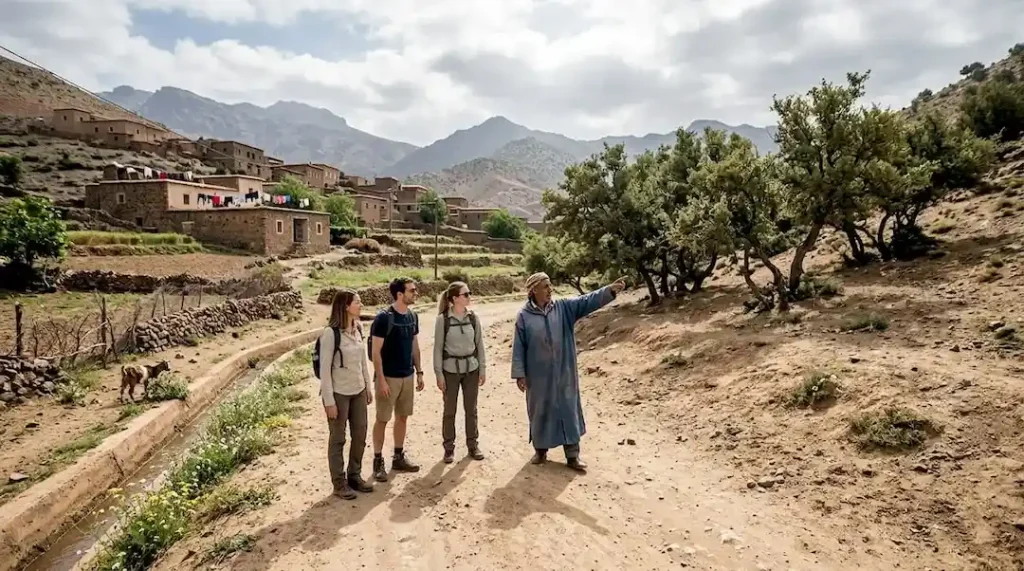
Whether it’s sharing tea with a Berber family in the Atlas Mountains or spending a night in a traditional desert camp, sustainable tourism allows visitors to experience Morocco beyond the typical tourist routes.
Growing Environmental Awareness
Environmental concerns have become a major factor influencing travel decisions. Many travelers now actively seek destinations and tour operators that prioritize sustainability and conservation.
As a result, eco-friendly tours in Morocco are attracting visitors who want to reduce their carbon footprint while enjoying unforgettable adventures. These tours often focus on responsible transportation, environmentally conscious accommodations, waste reduction practices, and respect for natural ecosystems.
Morocco’s diverse landscapes, including deserts, mountains, coastlines, and forests, make environmental protection particularly important. Travelers increasingly recognize that responsible tourism helps preserve these natural treasures for future generations.
Supporting Local Communities
One of the biggest reasons for the rise of Sustainable tours in Morocco is their positive impact on local communities. Instead of directing tourism revenue solely to large corporations, sustainable travel encourages spending that benefits local guides, family-owned guesthouses, artisans, and small businesses.
Visitors can purchase handmade products directly from artisans, dine at locally owned restaurants, and participate in community-based activities. This approach creates economic opportunities while helping preserve traditional skills and cultural heritage.
Many travelers appreciate knowing that their tourism spending contributes directly to improving local livelihoods and supporting community development.
The Appeal of Slow Travel
The fast-paced nature of modern life has encouraged many people to embrace a more relaxed travel style. Slow travel in Morocco offers an opportunity to disconnect from daily stress and fully immerse oneself in the destination.
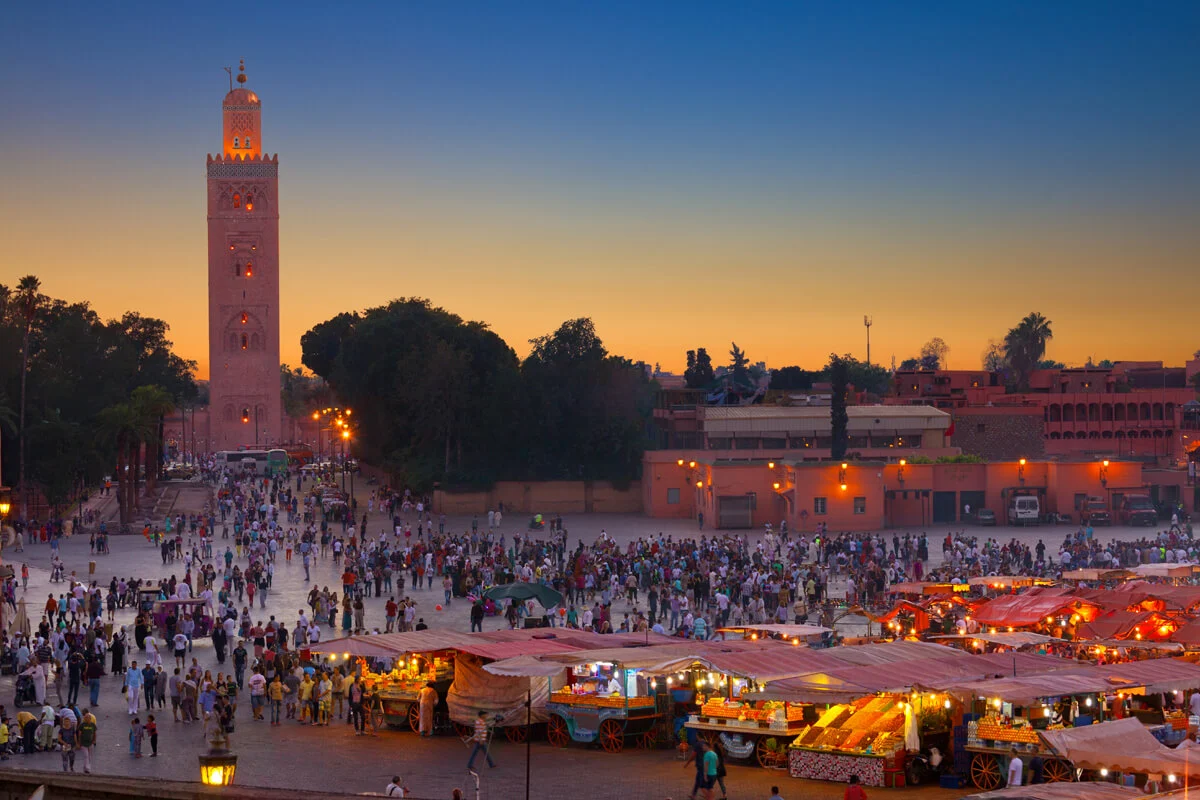
Rather than checking attractions off a list, slow travelers focus on quality experiences. They spend time wandering through historic medinas, exploring rural villages, enjoying traditional meals, and appreciating Morocco’s rich cultural diversity.
This approach often leads to more meaningful interactions and a greater understanding of local traditions, making the journey more rewarding than conventional tourism experiences.
Morocco’s Rich Cultural Heritage
Morocco’s unique blend of Arab, Berber, African, and Mediterranean influences makes it an ideal destination for cultural exploration. Sustainable tourism helps protect and celebrate this heritage while ensuring local communities remain active participants in tourism activities.
Many eco-friendly tours in Morocco include opportunities to learn about traditional music, architecture, crafts, agriculture, and cuisine. These experiences encourage cultural exchange while promoting respect for local customs and traditions.
As travelers become increasingly interested in educational and culturally enriching experiences, Morocco continues to stand out as a destination that offers both adventure and authenticity.
Responsible Adventure Tourism
Adventure tourism remains popular, but many travelers now prefer activities that have minimal environmental impact. Sustainable travel options in Morocco include hiking, camel trekking, cycling, birdwatching, and cultural walking tours.
These activities allow visitors to enjoy Morocco’s natural beauty while reducing pressure on fragile ecosystems. By choosing responsible operators, travelers can explore iconic destinations without contributing to environmental degradation.
This balance between adventure and sustainability has helped fuel the growth of Sustainable tours in Morocco among environmentally conscious travelers.
The Future of Tourism in Morocco
As awareness of responsible travel continues to grow, the demand for Slow travel in Morocco and eco-friendly tours in Morocco is expected to increase even further. Travelers are seeking experiences that align with their values, and sustainable tourism offers a way to explore the world while making a positive contribution.
Morocco’s commitment to cultural preservation, community engagement, and environmental responsibility positions it as a leading destination for sustainable travel. Visitors can enjoy extraordinary landscapes, rich traditions, and authentic connections while supporting a more responsible tourism model.
Conclusion
The popularity of Sustainable tours in Morocco is driven by a combination of environmental awareness, cultural curiosity, and a desire for more meaningful travel experiences. Through Slow travel in Morocco and carefully designed eco-friendly tours in Morocco, travelers can enjoy authentic adventures while supporting local communities and protecting the country’s natural and cultural heritage.
As more people prioritize responsible tourism, Morocco is likely to remain one of the most attractive destinations for travelers seeking unforgettable experiences that benefit both visitors and local communities alike.
An avid traveler, Kirk Grover has been to over 50 countries. He has an extensive background in tourism and hospitality management, along with a degree in Hospitality Management from the University of Nevada Las Vegas. Kirk is very knowledgeable about travel-related topics – they are always up to date on the latest deals for flights, hotels, and other adventures around the world.